
Executive Committee

-
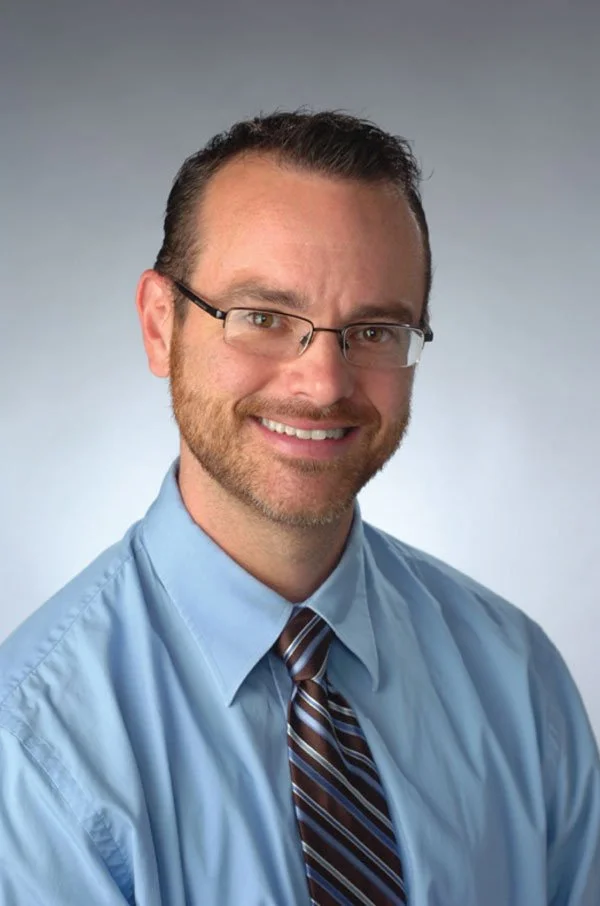
Gary L. Pierce, PhD, FAHA, FAPS is a Professor and Chair of the Department of Health and Human Physiology and the Russell B. Day and Florence D. Day Chair in Liberal Arts and Sciences at the University of Iowa. Dr. Pierce is also an Associate Professor of Internal Medicine, Division of Nephrology and Hypertension in the Carver College of Medicine at the University of Iowa where he also directs the Vascular Core Laboratory in the Institute for Clinical and Translational Science Clinical Research Unit. He is a faculty member in the Abboud Cardiovascular Research Center and the Fraternal Order of Eagles Diabetes Research Center in the Carver College of Medicine and an Associate Member of the Environmental Health Sciences Research Center in the College of Public Health at the University of Iowa. Dr. Pierce is a fellow of the American Heart Association and the American Physiological Society and on the Editorial Board of the Journal of Applied Physiology, Experimental Physiology and Clinical Science. He is Treasurer of the North American Artery (NAA) Society and has been Co-Chair of NAA Annual Meeting Program Committee since 2013. He received a PhD in Applied Physiology and Kinesiology with a focus in cardiovascular exercise physiology from the University of Florida and completed postdoctoral training in vascular aging/physiology in the Department of Integrative Physiology at the University of Colorado Boulder. He has published 100+ articles in the areas of mechanisms of vascular aging (endothelial function/arterial stiffness) and interventions to prevent/treat vascular and cognitive aging in humans and has been continuously funded by the NIH or AHA since 2013. He has been a faculty member at the University of Iowa since 2011.
-
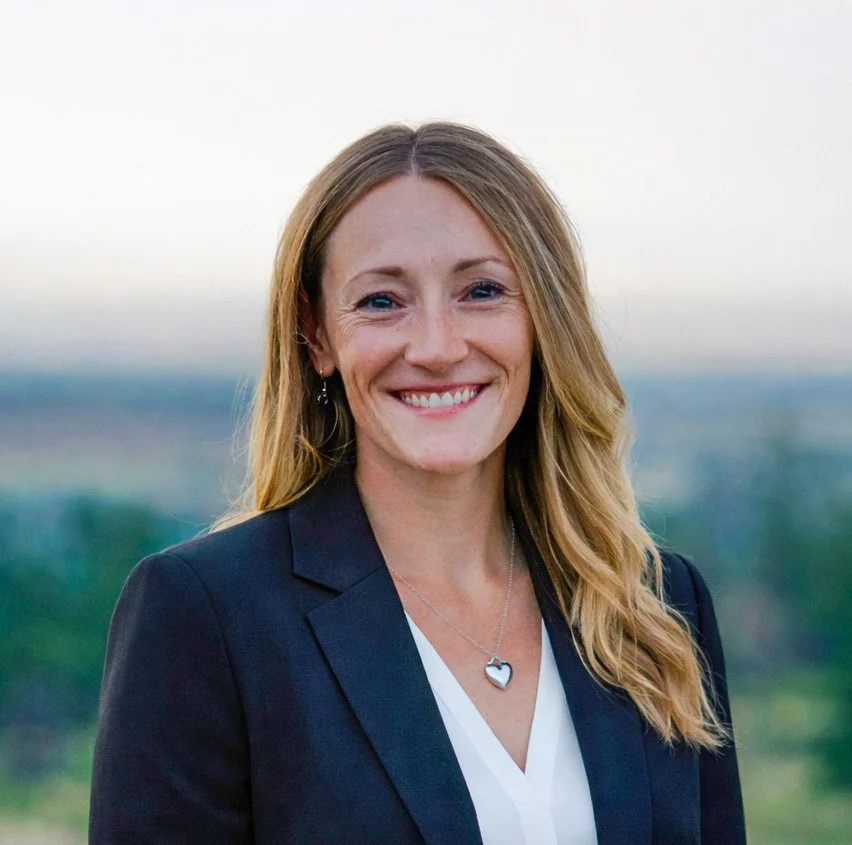
A native of Rio de Janeiro, Brazil, Dr. Thais Coutinho received her medical degree from the Universidade Federal do Rio de Janeiro in 2004, and completed residency and fellowship training in Internal Medicine, Cardiology, Vascular Medicine, Advanced Echocardiography, and Research at the Mayo Clinic in Rochester, MN, in 2013. During her training, she received numerous awards, including the American Heart Association’s Young Investigator Award (2011), the Mayo Clinic’s Summerskill Research Award (2013) and the Mayo Clinic’s Cardiovascular Division Outstanding Achievement Award (2013).
Upon graduating, Dr. Coutinho joined the University of Ottawa Heart Institute (UOHI) as a Clinician-Scientist and continued to receive Awards for her research and advocacy, including the Canadian Cardiovascular Society’s Young Investigator Award (2015), the UOHI Academic Medical Organization Research Award for Clinical Science (2016) and Public Education (2018), the UOHI Global Achievement Award (2019), the Women as One Escalator Award (2021), The Ottawa Hospital Department of Medicine Jeff Turnbull Healthcare Advocacy Award (2021), the Canadian Cardiovascular Society’s Dr. Harold N. Segall Award of Merit (2022), and the University of Ottawa Faculty of Medicine’s Early Career Researcher of the Year Award – Clinical (2022).
In 2017, she was appointed Chief of the Division of Cardiac Prevention and Rehabilitation and Chair of the Canadian Women’s Heart Health Centre. This was a historical moment for the UOHI, as Dr. Coutinho was the first woman in the Institution’s 40-year history to be appointed as Division Chief.
Dr. Coutinho has published several high impact manuscripts in the field of Cardiovascular Diseases and has secured over 16 million dollars in research grants, with over 4 million dollars as a Principal Investigator. Her research program focuses on aortic function and hemodynamics, with a special emphasis on arterial stiffness and its role on the pathogenesis of cardiovascular diseases such as thoracic aortic aneurysms, pre-eclampsia and heart failure with preserved ejection fraction. She applies a sex- and gender-lens to all of her investigations, evaluating sex differences in arterial aging and how it may help explain sex differences in cardiovascular diseases.
Dr. Coutinho is also a sought-after educator, having addressed audiences at many national and international meetings, in addition to her efforts on public education and women’s heart health advocacy. She has co-Chaired the first (2016), second (2018), third (2021) and fourth (2023) Canadian Women’s Heart Health Summit, the largest conference in the world dedicated exclusively to the cardiovascular health of women. Further, she is passionate about advancing knowledge translation about women’s cardiovascular health issues, and to accomplish this she has launched, with her team, the Canadian Women’s Heart Health Alliance, whose Executive Steering Committee she chaired until her departure from Canada in the summer of 2023. This Alliance’s Mission is to provide leadership in the development, implementation and evaluation of cardiovascular prevention and management strategies to improve women’s cardiovascular health.
-
Gary L. Pierce, PhD, FAHA, FAPS is a Professor and Chair of the Department of Health and Human Physiology and the Russell B. Day and Florence D. Day Chair in Liberal Arts and Sciences at the University of Iowa. Dr. Pierce is also an Associate Professor of Internal Medicine, Division of Nephrology and Hypertension in the Carver College of Medicine at the University of Iowa where he also directs the Vascular Core Laboratory in the Institute for Clinical and Translational Science Clinical Research Unit. He is a faculty member in the Abboud Cardiovascular Research Center and the Fraternal Order of Eagles Diabetes Research Center in the Carver College of Medicine and an Associate Member of the Environmental Health Sciences Research Center in the College of Public Health at the University of Iowa. Dr. Pierce is a fellow of the American Heart Association and the American Physiological Society and on the Editorial Board of the Journal of Applied Physiology, Experimental Physiology and Clinical Science. He is Treasurer of the North American Artery (NAA) Society and has been Co-Chair of NAA Annual Meeting Program Committee since 2013. He received a PhD in Applied Physiology and Kinesiology with a focus in cardiovascular exercise physiology from the University of Florida and completed postdoctoral training in vascular aging/physiology in the Department of Integrative Physiology at the University of Colorado Boulder. He has published 100+ articles in the areas of mechanisms of vascular aging (endothelial function/arterial stiffness) and interventions to prevent/treat vascular and cognitive aging in humans and has been continuously funded by the NIH or AHA since 2013. He has been a faculty member at the University of Iowa since 2011.

-
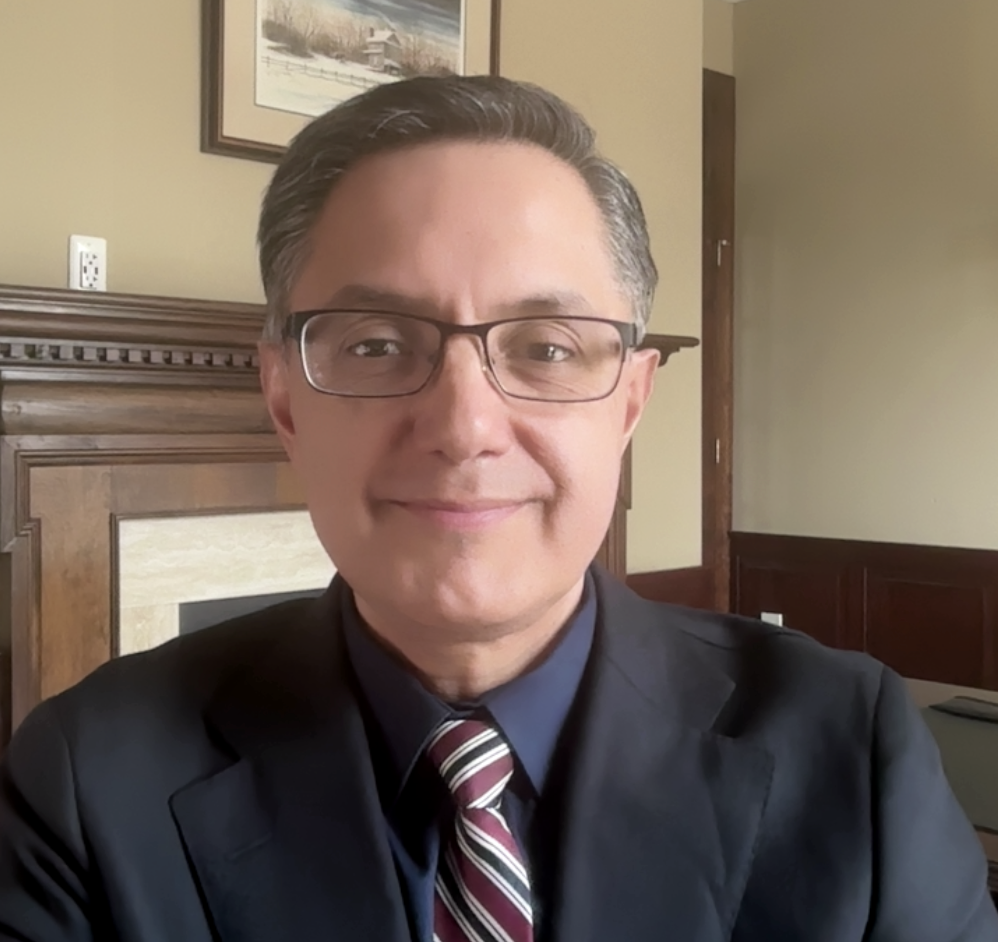
Dr. Stella S. Daskalopoulou is an Internist with special interest in Vascular Medicine. She is a tenured Associate Professor of Medicine, Department of Medicine (Divisions of Internal Medicine and Experimental Medicine), Faculty of Medicine, McGill University.
Dr. Daskalopoulou’s research program centers around the identification of early markers of vascular impairment and maintenance of vascular health, with a focus on cardio-metabolic diseases, women’s health, and vascular disease prevention. She performs research in hypertension, arterial stiffness in subjects with different cardiovascular risk factors, including pre-eclampsia, hypertension, diabetes, and smoking, as well as in atherosclerotic disease where she is working towards the identification of novel pathways of atherosclerotic plaque instability.
Dr. Daskalopoulou has established and directs the Vascular Health Unit at the McGill University Health Centre (MUHC), which includes a clinical and a wet-bench lab, and where she is conducting her vascular research projects. She has been co-Leader of the Cardiovascular Health Across the Lifespan (CHAL) Program of the Research Institute of the MUHC, and the Director of the Scholarly Activity Rotation for McGill Internal Medicine Residents at the Montreal General Hospital.
She has over 200 high-quality peer-reviewed publications, and over 6500 citations for her work, with an h-index of 47. She has received research funding from several agencies, including the Canadian Institutes of Health Research, Heart and Stroke Foundation of Canada, and Fonds de recherche du Québec - Santé (> $8 million as a Principal/co-Principal Investigator).
She is the co-Chair of the hypertension Canada Guidelines, and the Chair of the Central Review Committee of the Hypertension Canada Guidelines. She is also the secretary of the North American Artery Society.
She holds several personal awards, including, among others: the Heart and Stroke Foundation of Quebec Award of Excellence - John J. Day M.D., the Department of Medicine Early Career Staff Research Award; the Hypertension Canada Jacques-de-Champlain New Investigator Award for significant dedication and contributions to research and health services in Canada; the Department of Medicine, McGill University Early Career Staff Research Award; the Young Researcher Award of Excellence from the HSFQ; the Canadian Foundation for Women’s Health Research Award; the Bourse FRSQ - La Société Québécoise d’Hypertension Artérielle Jacques-de-Champlain; and the Canadian Society of Internal Medicine New Investigator Award.
-
Elaine Urbina is Professor of Pediatrics (Cardiology) and Director of Preventive Cardiology at Cincinnati Children’s Hospital Medical Center. She began her research career with the Bogalusa Heart Study in 1991 where she initiated non-invasive CV imaging studies on young adults. She later extended this research to adolescents with obesity-related CV risk factors. She has been continuously funded by NIH and/or AHA since 1994. She is a Fellow of the American Academy of Pediatrics, the American College of Cardiology, and the American Heart Association and past chair of the Atherosclerosis, Hypertension and Obesity in Youth committee of the Young Hearts council of AHA. She is also president of the International Pediatric HTN Association and the North American Artery Association. https://www.cincinnatichildrens.org/research/cores/cardio-imaging/
Bioengineering

-
Dr. Pahlevan is an Associate Professor of Aerospace and Mechanical Engineering at the Viterbi School of Engineering and an Associate Professor of Medicine in the Division of Cardiovascular Medicine at the Keck School of Medicine at the University of Southern California (USC). Dr. Pahlevan received B.S. in Mechanical Engineering from the University of Tehran, M.S. in Mechanical Engineering from California State University, Northridge, and PhD in Bioengineering from California Institute of Technology (Caltech) in 2013. He completed his postdoctoral training in hemodynamics and cardiovascular imaging at Caltech and Huntington Medical Research Institutes (HMRI) as a Boswell fellow. He is the recipient of both the NSF CAREER Award and the American Heart Association’s Career Development Award. In 2022, he received the Junior Research Award from USC's Viterbi School of Engineering. He is an Executive Editorial Board Member of Physiological Measurement and an Academic Editor at PLOS ONE. He also serves on the Editorial Board of Scientific Reports (Nature). In 2022, he was appointed the Gordon S. Marshall Early Career Chair in Engineering. He was honored as a Fellow of the American Heart Association (FAHA) in 2024 and named a Senior Member of the National Academy of Inventors (NAI) in 2025.
NAA Conference Committee
Gary Pierce, PhD (Co-Chair, NAA Treasurer)
Professor
University of Iowa
Stella Daskalopoulou, MD, PhD (NAA Secretary)
Professor
McGill University
Ray Townsend, MD, PhD (NAA Past-President)
Professor
University of Pennsylvania
Demetra Christou, PhD
Associate Professor
University of Florida
Andrew Tran, MD, MPH
Assistant Professor
Nationwide Children’s Hospital and Ohio State University College of Medicine
Carol Kotliar, MD
Professor
Hospital Universitario Austral, Buenos Aires
Julio Chirinos, MD, PhD (NAA President)
Professor
University of Pennsylvania
Vienna Brunt, PhD
Assistant Professor
University of Colorado Anschutz Medical Campus
Zachary Clayton, PhD (Co-Chair)
Assistant Professor
University of Colorado Anschutz Medical Campus
Tina Brinkley, PhD
Associate Professor
Wake Forest University
Thais Coutinho, MD (NAA Vice President)
Professor
Mayo Clinic
Elizabeth Lefferts, PhD
Assistant Professor
Iowa State University
Jennifer DuPont, PhD
Assistant Professor
Tufts University School of Medicine
David Edwards, PhD
Professor
University of Delaware
Kerrie Moreau, PhD
Professor
University of Colorado Anschutz Medical Campus
Ashley Walker, PhD
Associate Professor
University of Oregon
Wes Lefferts, PhD
Assistant Professor
Iowa State University
Niema Pahlevan, PhD
Associate Professor
University of Southern California
Adam Gepner, MD
Assistant Professor
University of Wisconsin
Early Investigator Committee

-
Assistant Professor
University of Colorado Anschutz Medical CampusWhy did you join the EIC?
Passionate about being a voice for early stage investigators in the field of arterial health.
What does NAA mean to you?
An intimate group of collegial like-minded colleagues passionate about arterial health across all career stages.
-
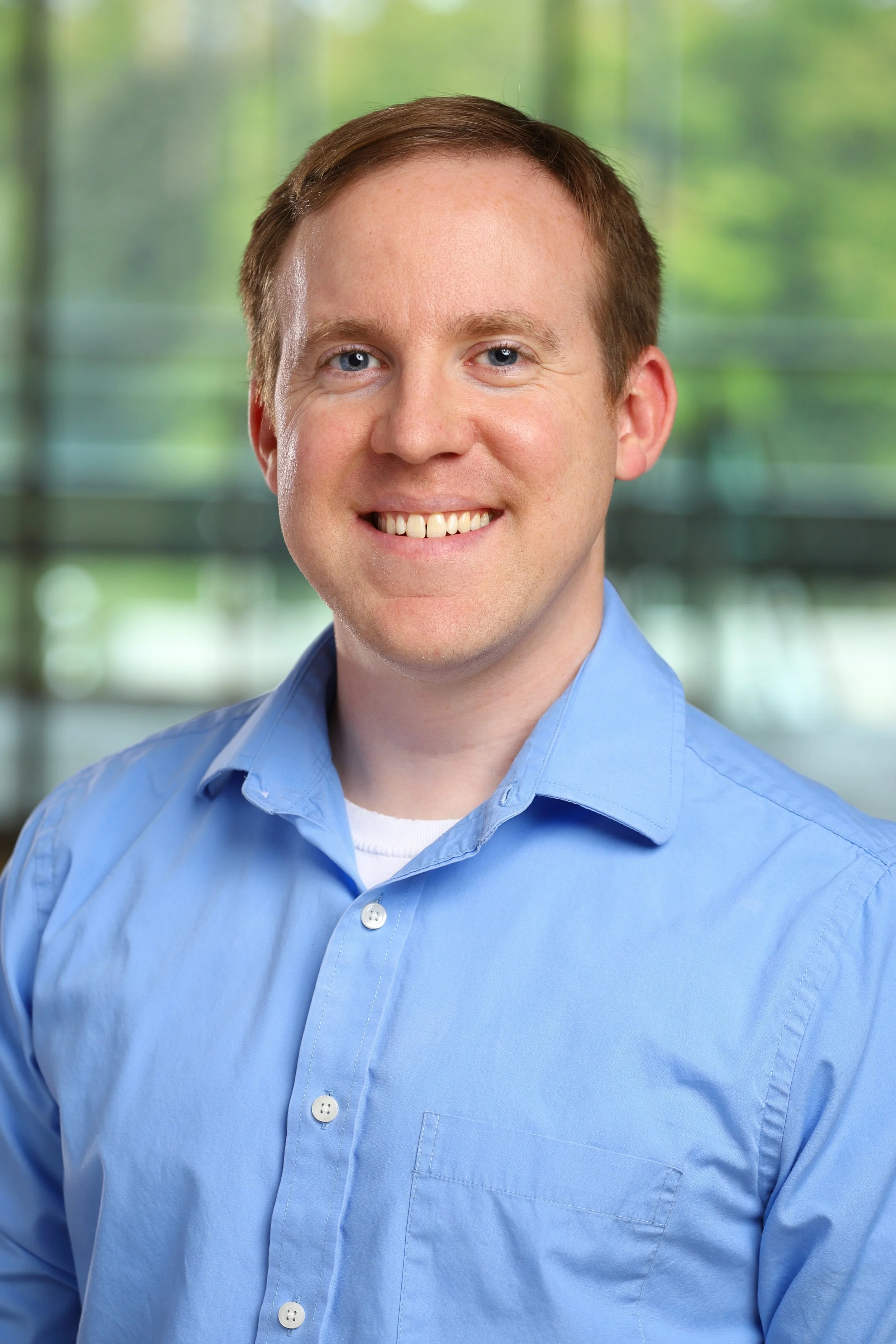
Assistant Professor
Medical College of Wisconsin Medical CampusFun fact
I have a large collection of Star Wars books
Why I joined NAA’s EIC
NAA was the first conference I attended as a Ph.D. student and ignited a career path that has kept paying off due to the connections made and ideas generated.
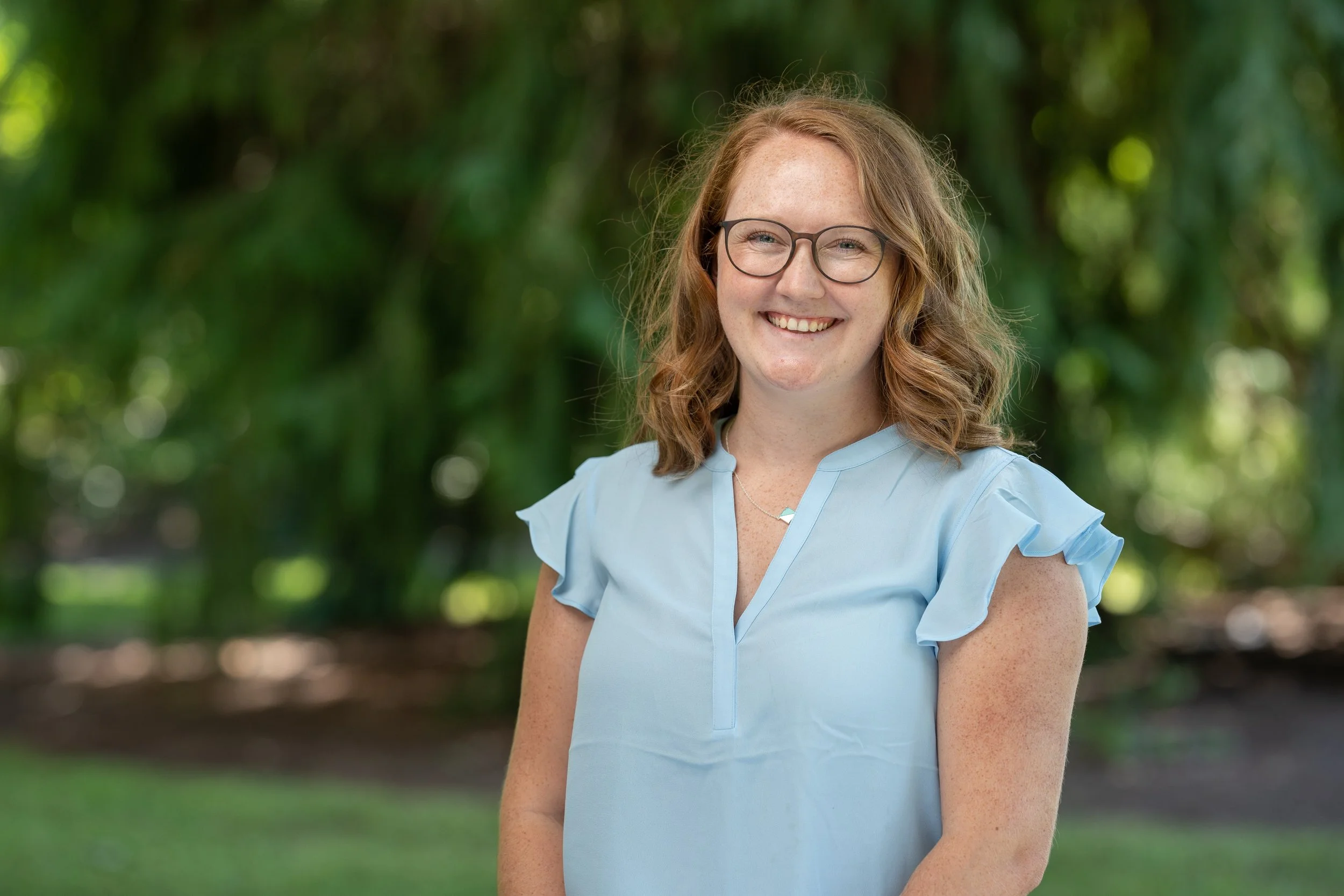
-
Postdoctoral Fellow
University of Colorado Anschutz Medical CampusFun Fact: One of my wedding songs was "Come and get your love" by Redbone, indeed inspired by Guardians of the Galaxy.
Why did you join the EIC: I joined EIC to encourage trainees to take risk and step out of their comfort zone because you never know what ideas or collaborations it will spark for your future. I also enjoy networking with people and hearing their stories of what drives their passions in research.
What NAA means to me: NAA is the like the left ventricle of my early career training. As a trainee it has been a strong propeller of ejecting me out of my own comfort zone into training opportunities and fueling my love for the vasculature, allowing me to recognize the multitude of lenses it can be investigated through.

-
Postdoctoral Fellow
University of DelawareFun fact: If I wasn't an exercise physiologist, I would be a spin instructor.
Why did you join the EIC: I joined EIC to collaborate with like-minded individuals who are dedicated to making a positive impact in our field.
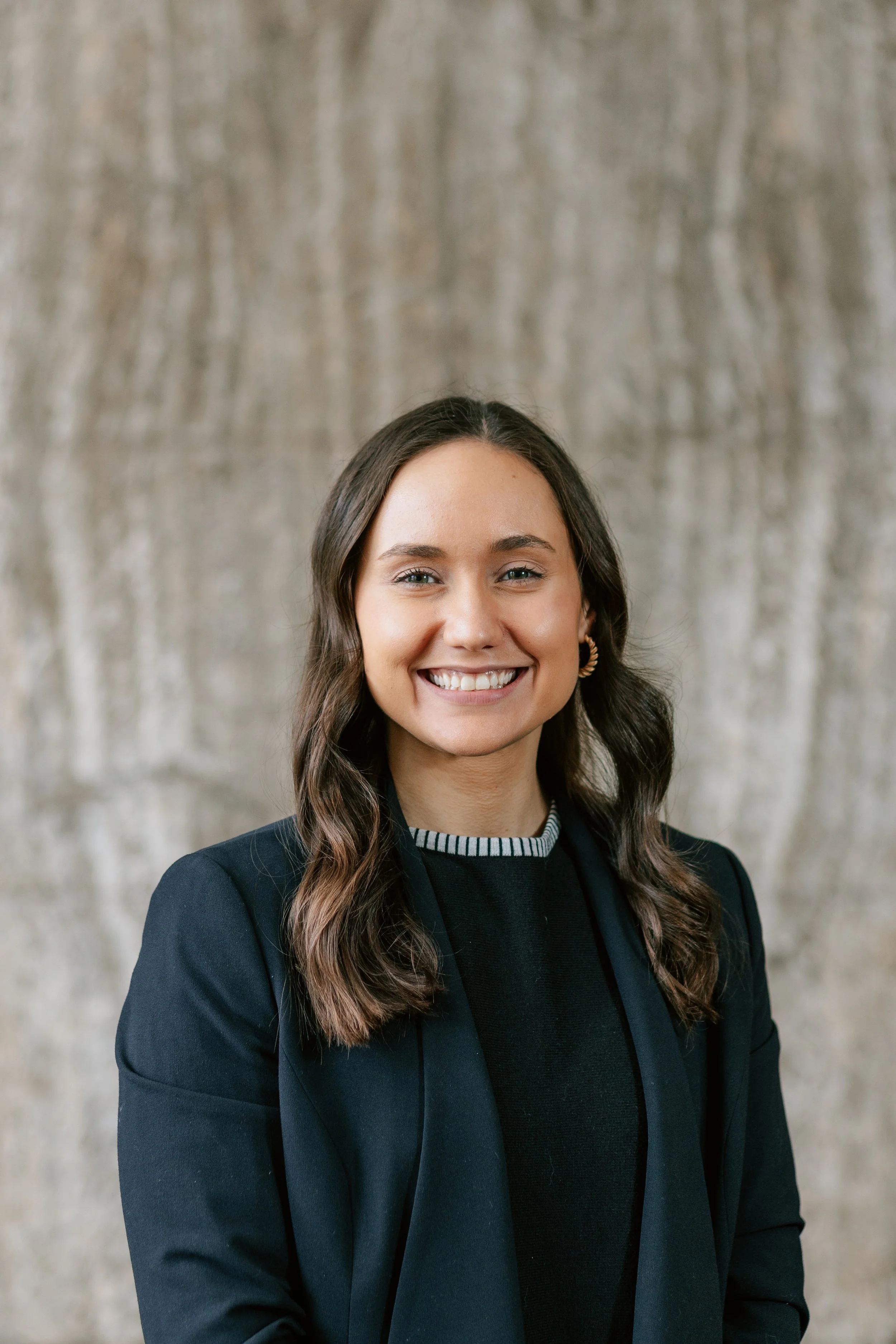
-
PhD Candidate
Iowa State UniversityFun fact: I lived in Guam as a kid!
Why did you join the EIC: I joined the EIC to network with and get to know others in the field and to learn from those who are ahead of me in their independent research endeavors. I also strongly believe in the mission of North American Artery and am honored to help support its success and growth.
What NAA means to me: NAA is an opportunity for scientists and clinicians, at various points in their career, to support efforts to better understand the cardiovascular system across a broad range of contexts. Unlike larger conferences, NAA offers a rare opportunity to connect directly with various individuals with dynamic and diverse backgrounds.
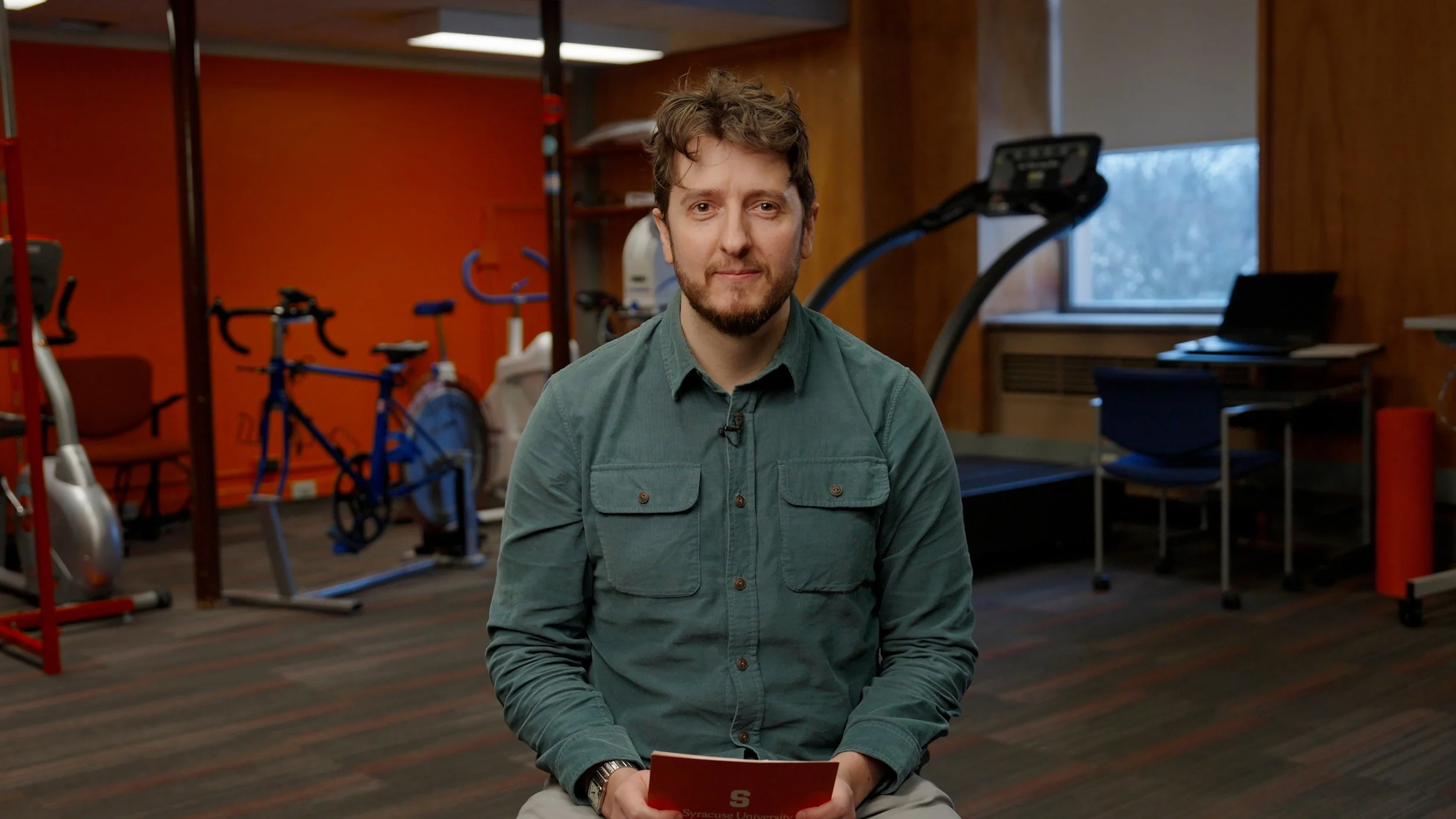
-
Assistant Professor
Department of Exercise Science
Syracuse UniversityFun fact: I was born on a Sunday
What NAA means to me: NAA is the most accessible conference for those interested in studying blood pressure and arterial function.
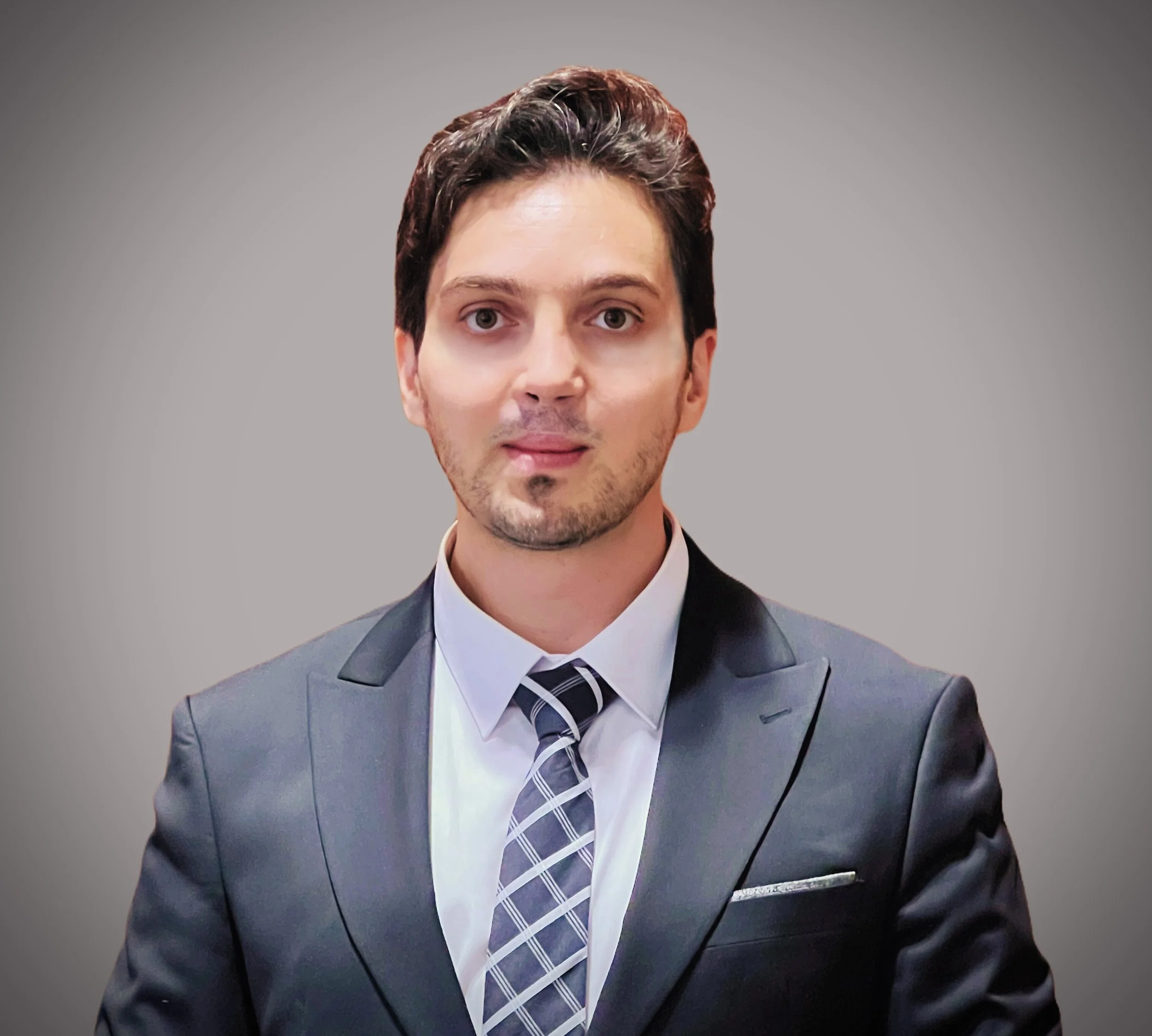
-
James Boswell Postdoctoral Fellow, Department of Medical Engineering, California Institute of Technology (Caltech)
Fun fact: I’ve used latte art to demonstrate vortex rings in the heart’s blood flow, it works!
What NAA means to you: To me, NAA represents a forward-looking community shaping the future of arterial function and hemodynamics. It brings together researchers from diverse disciplines who share the same passion for understanding and improving vascular health.

-
Postdoctoral Fellow
University of Colorado Anschutz Medical CampusFun Fact: o I can solve a 3x3 rubik's cube in under 3 minutes and I practice jiu-jitsu.
Why I joined NAA EIC: o I joined the NAA EIC to support trainees and fellow NAA members while fostering professional networks and collaborations.
What NAA means to you: To me, NAA is a welcoming community united by a shared goal—improving the quality of life for older adults and those at risk for cardiovascular disease.
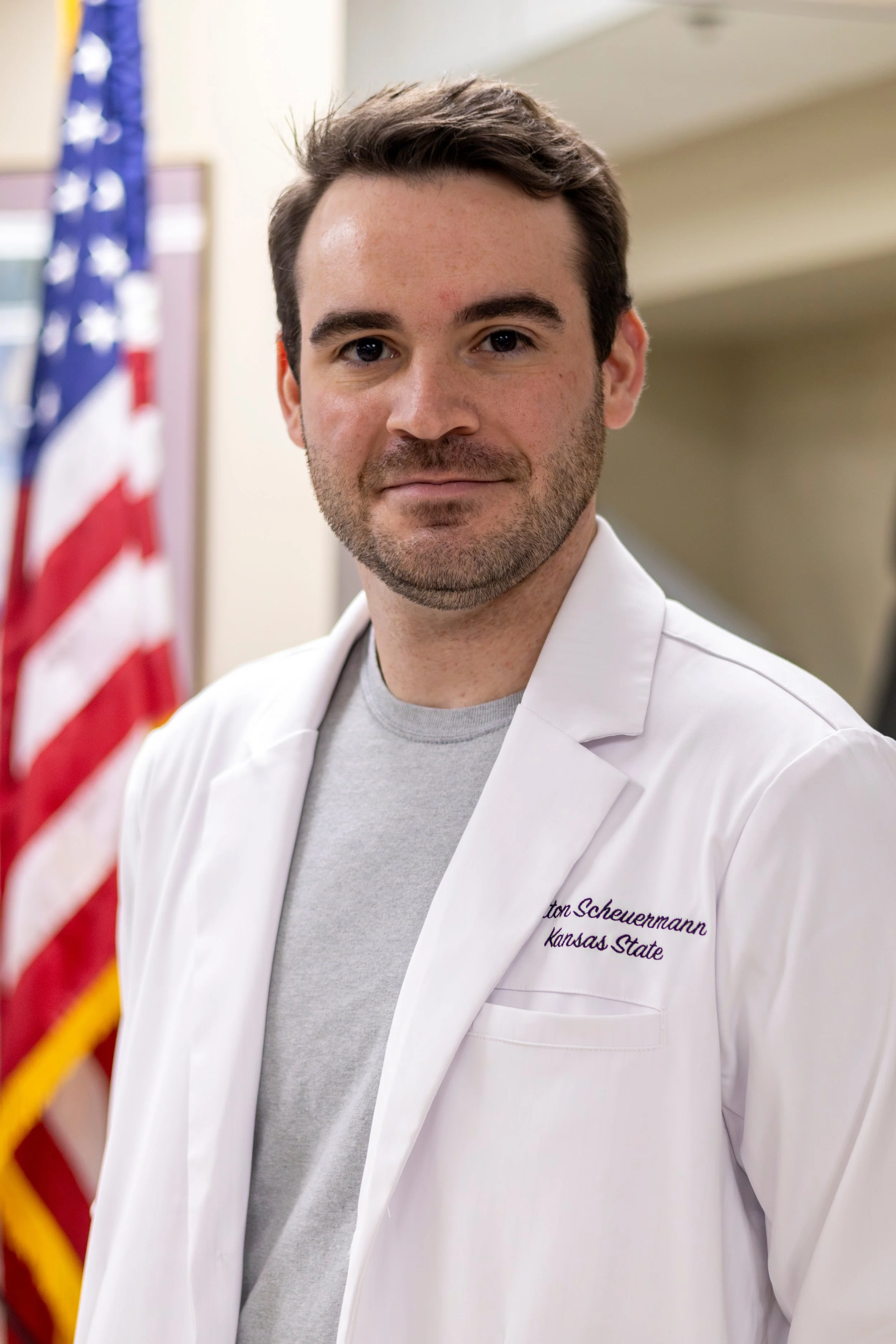
-
Research Assistant Professor, School of Health and Human Sciences, Kansas State University
Fun Fact: o I've been scuba diving for more than 10 years now, and still want to find a way to sneak a scuba diving study in.
Why I joined NAA’s EIC: Even from my first NAA conference, members of the EIC went out of their way to introduce themselves to me and make me feel welcome. Now, as a member of the EIC, I want to pay that feeling forwards to other members.
What NAA means to me: o To me, the NAA is a society that can bring anyone with an interest in cardiovascular science and medicine together. Regardless of background, field of work, and career stage, NAA makes it easy to participate, learn and contribute.
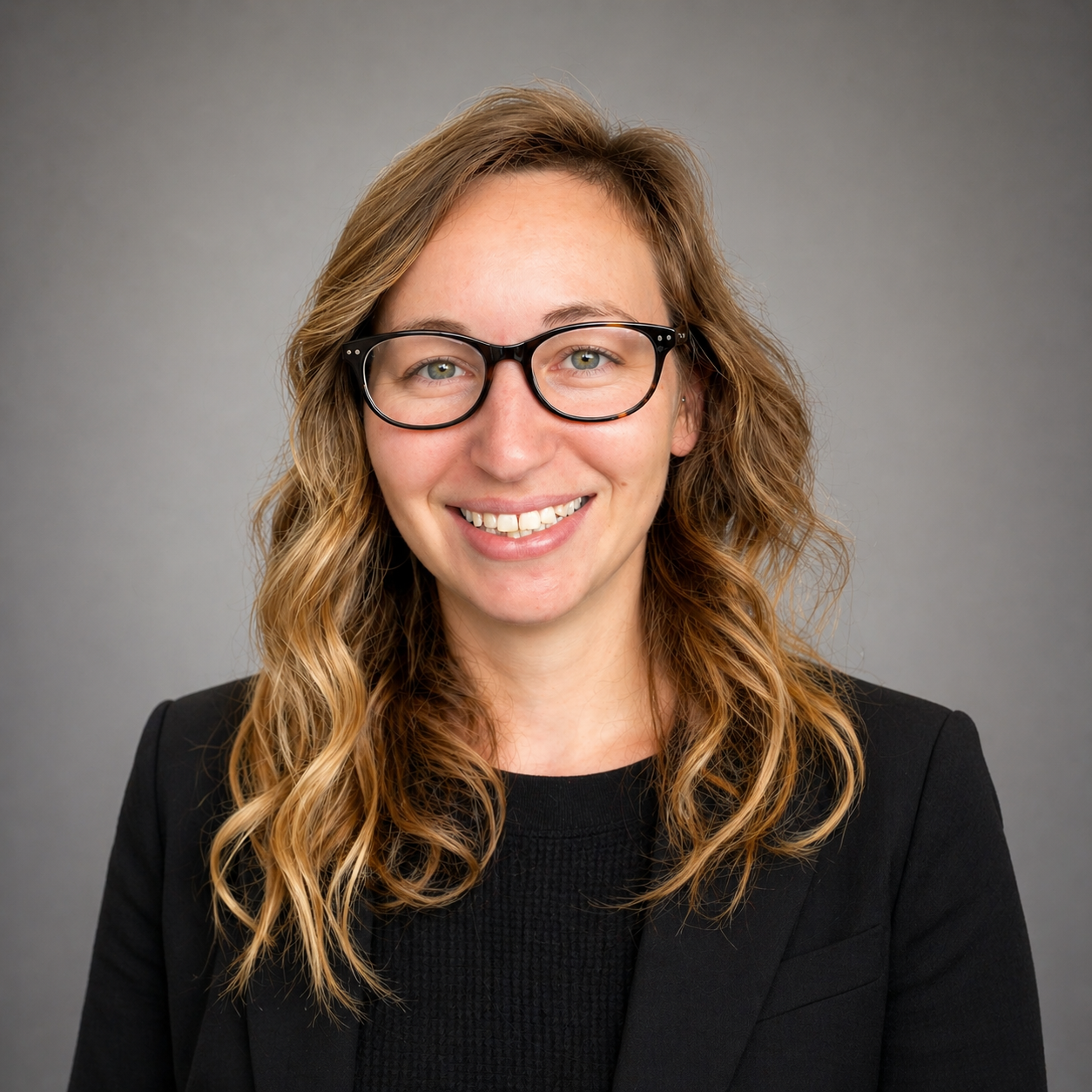
-
Stadtman Tenure-Track Investigator
National Institute on Aging (NIA/NIH)Fun fact: When I'm not working or chasing my two kids around, you can usually find me on two wheels. I'm an avid cyclist and love spending my free time exploring new bike trails!
What does the NAA mean to you: To me, NAA is a welcoming and supportive community of scientists who share a common goal: improving cardiovascular health. Although we study different aspects of vascular biology and come from different backgrounds, we are collectively working toward discoveries that can improve arterial health and promote healthier aging.
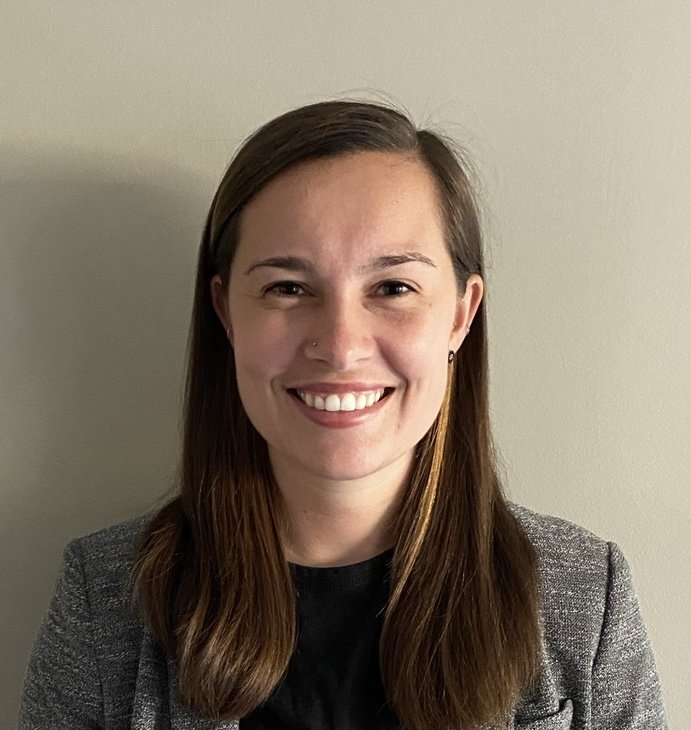
-
PhD Candidate, University of Kansas Medical Center
Fun fact: I have season tickets to the NWSL KC Current games!
Why I joined NAA EIC: I joined the NAA Early Investigator Committee to contribute to the scientific community while gaining professional service and leadership experience within an organization closely aligned with my research on arterial and cerebrovascular health after stroke.
What does the NAA mean to you: To me, NAA represents a collaborative scientific community focused on advancing arterial research while supporting researchers at every stage of their careers. NAA provides opportunities to learn from experts in the field, build meaningful connections, and educate the next generation of arterial researchers.
-
PhD Candidate,
Florida State UniversityFun fact: I am a father of 3 boys.
Why I joined NAA EIC: Making a difference for others is important to me. To do that, I need to grow, and the best way to grow is to work with excellent people.
What does the NAA mean to you: NAA has the best mix of practitioners, researchers, and clinicians I've seen at any conference. That kind of collaboration is what turns research into better patient outcomes, and it's what I care most about.